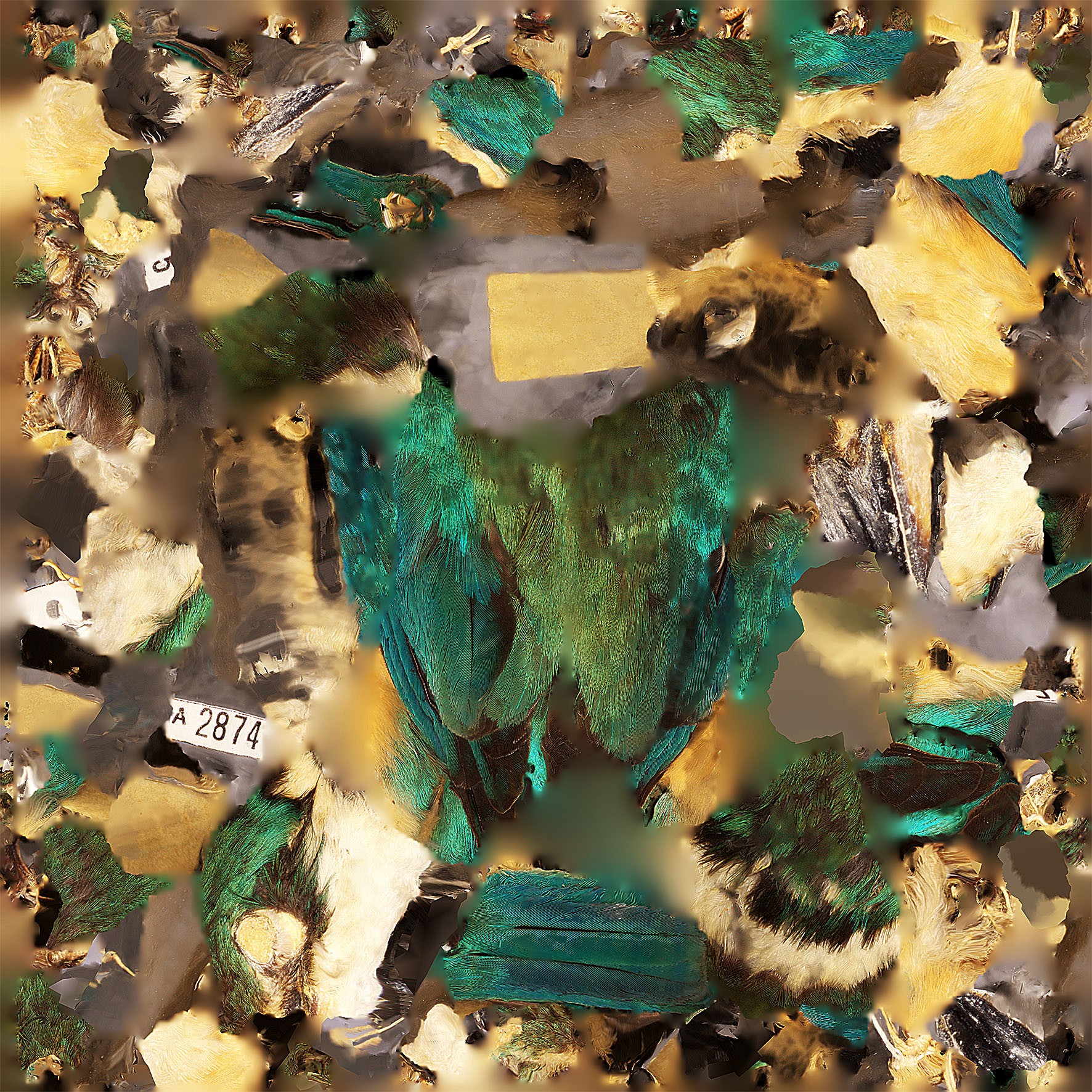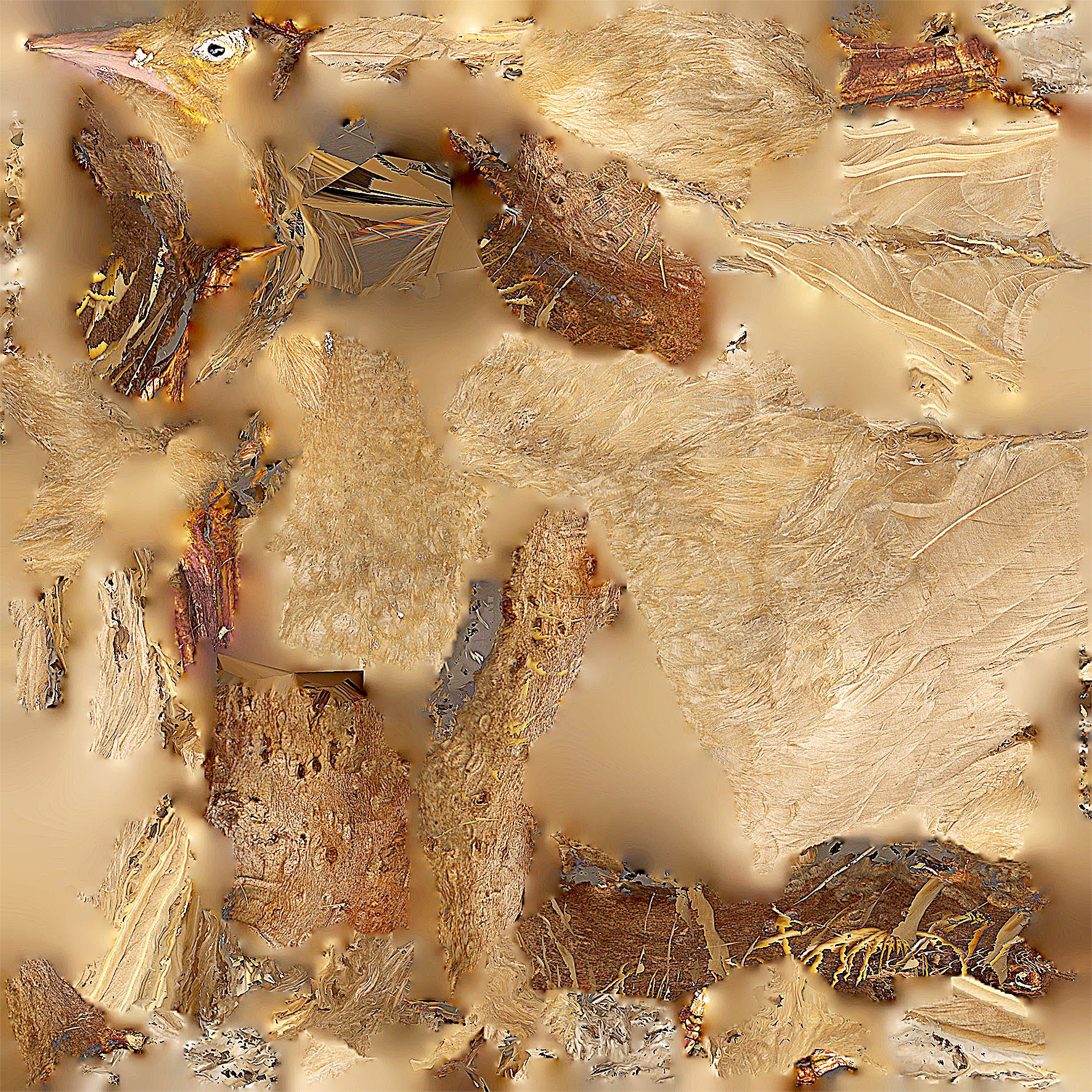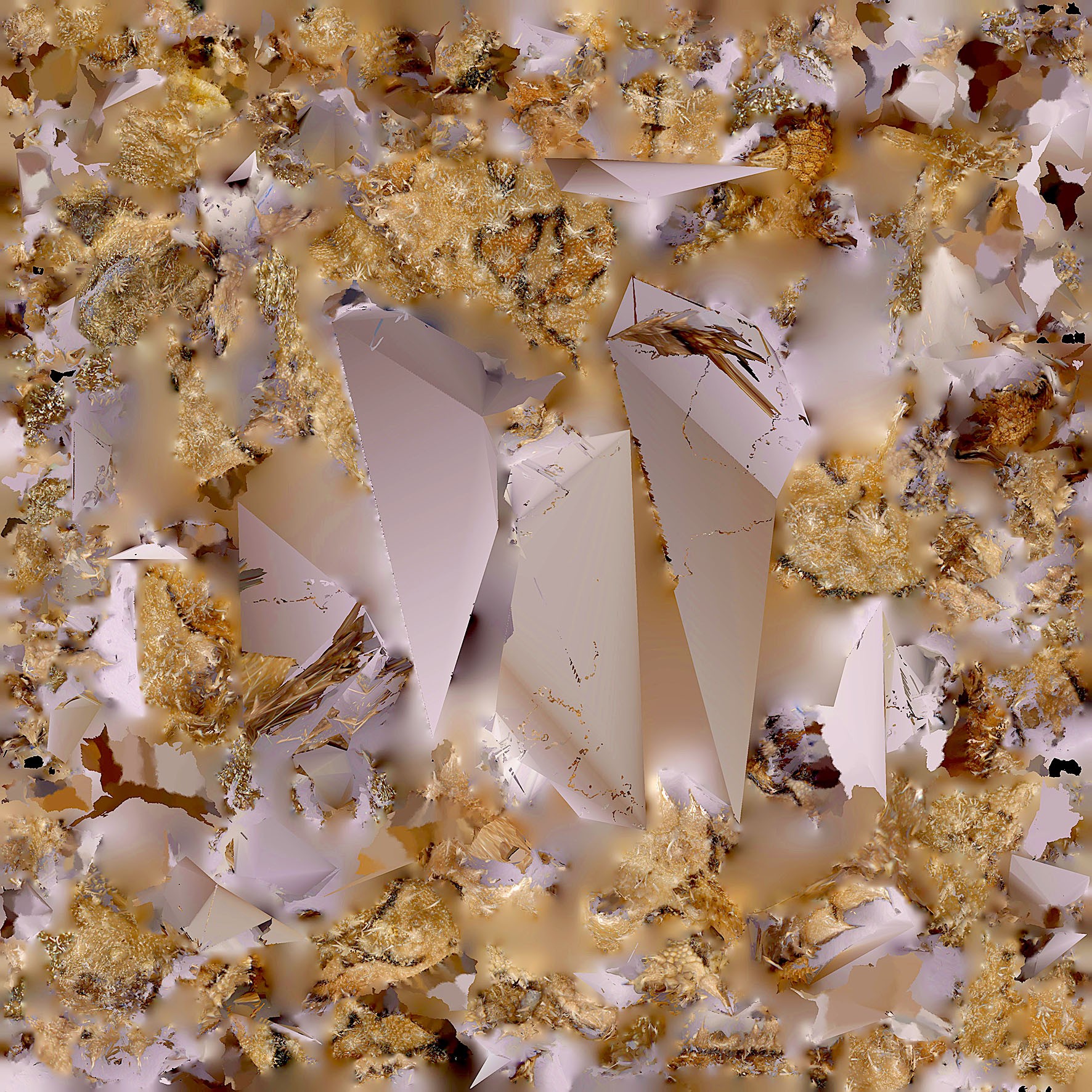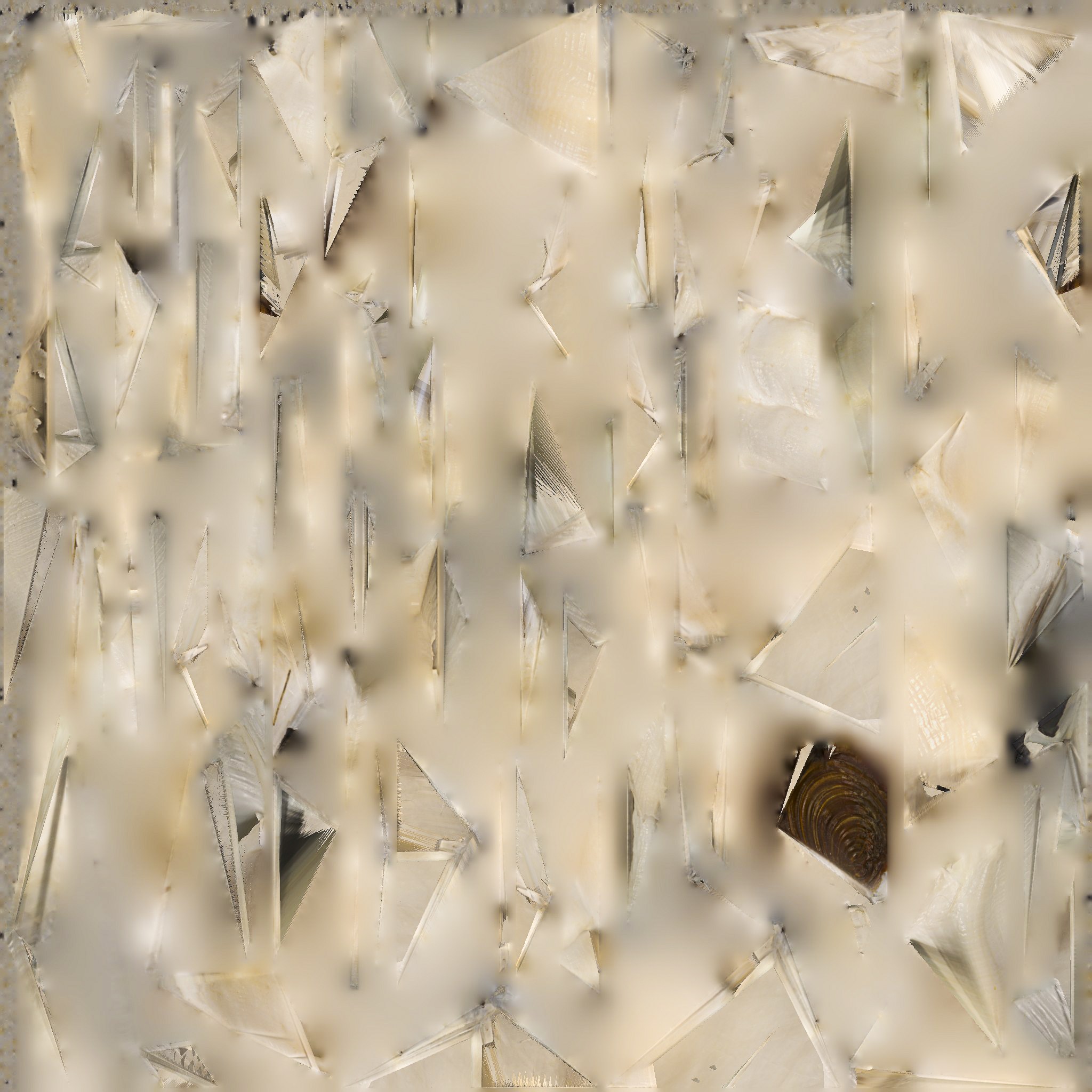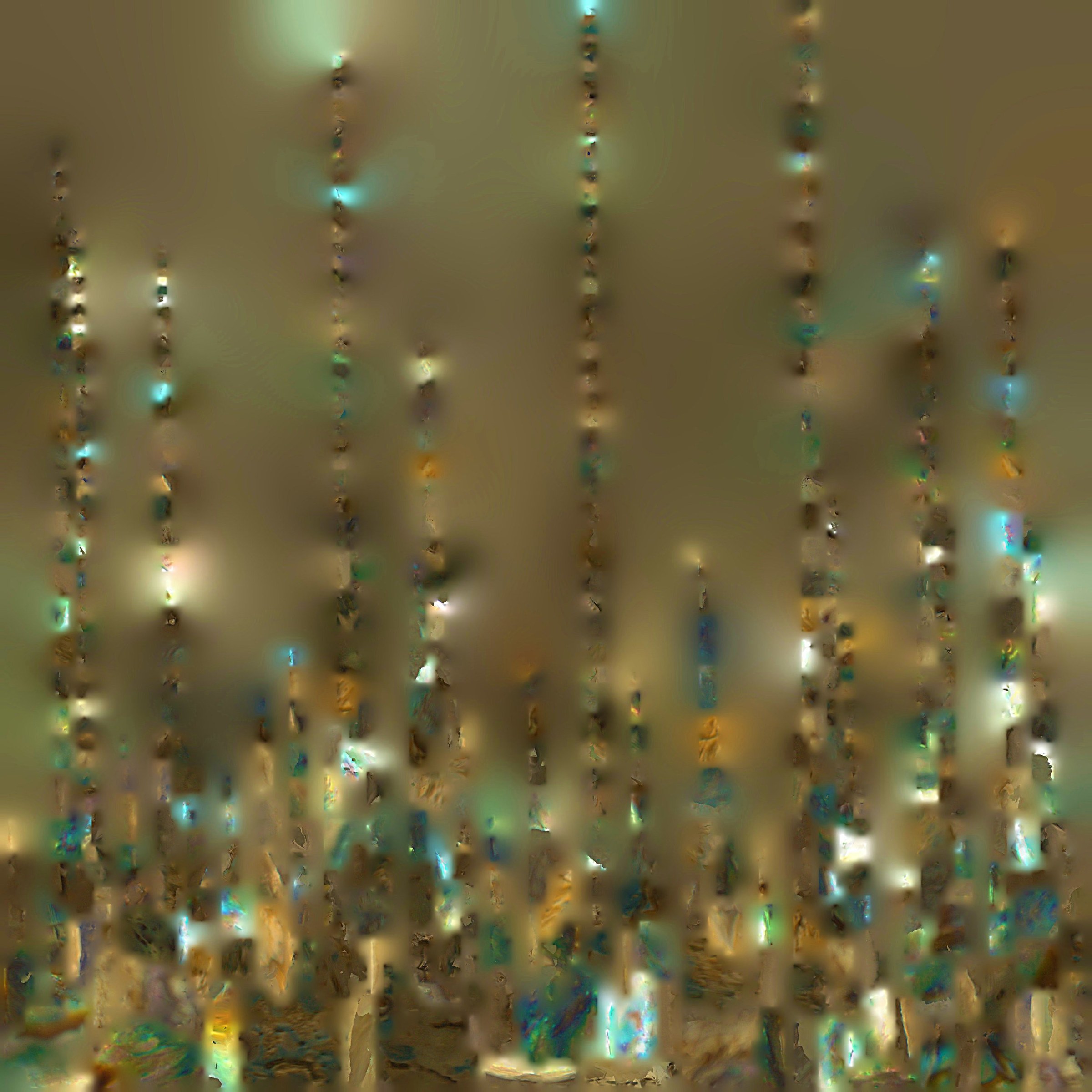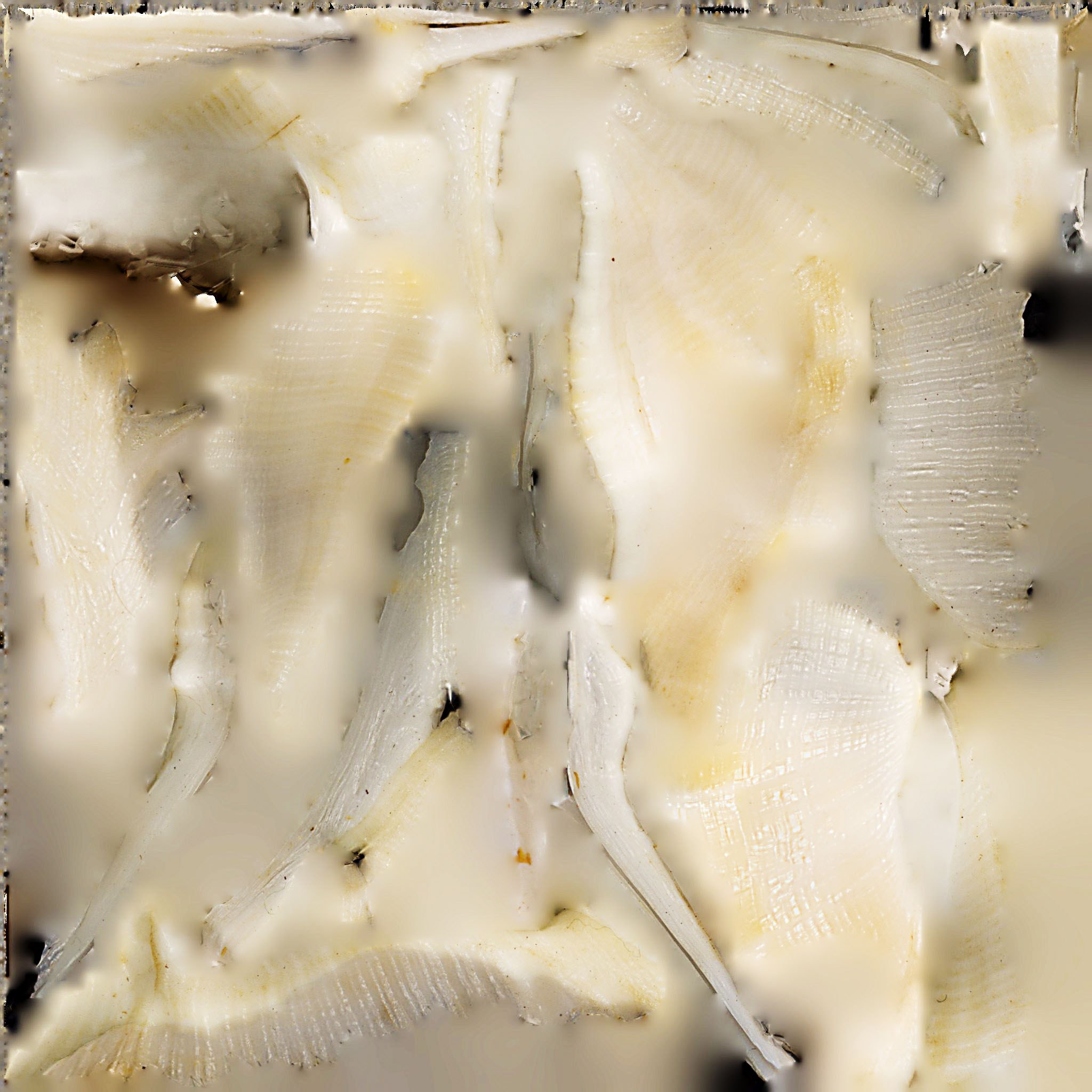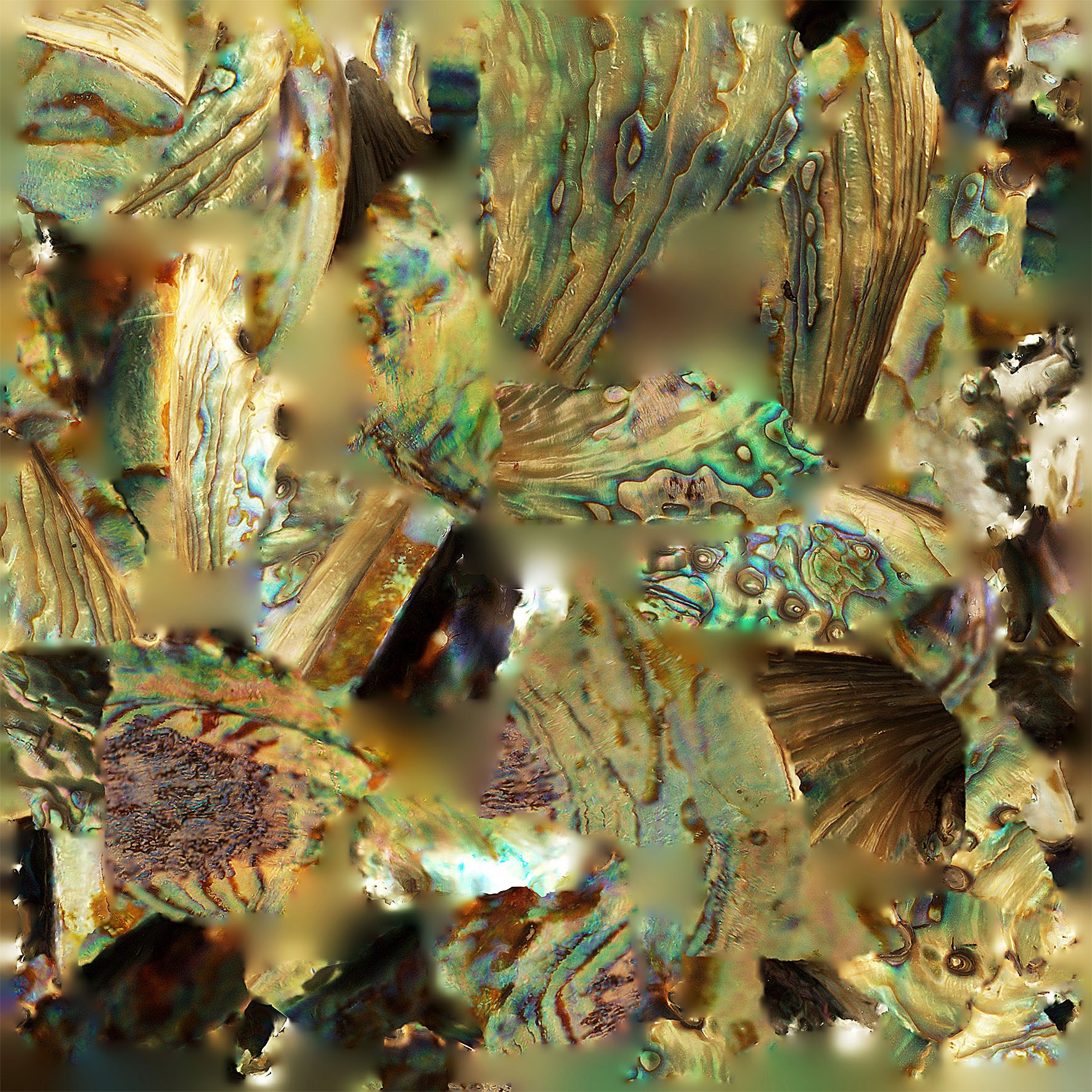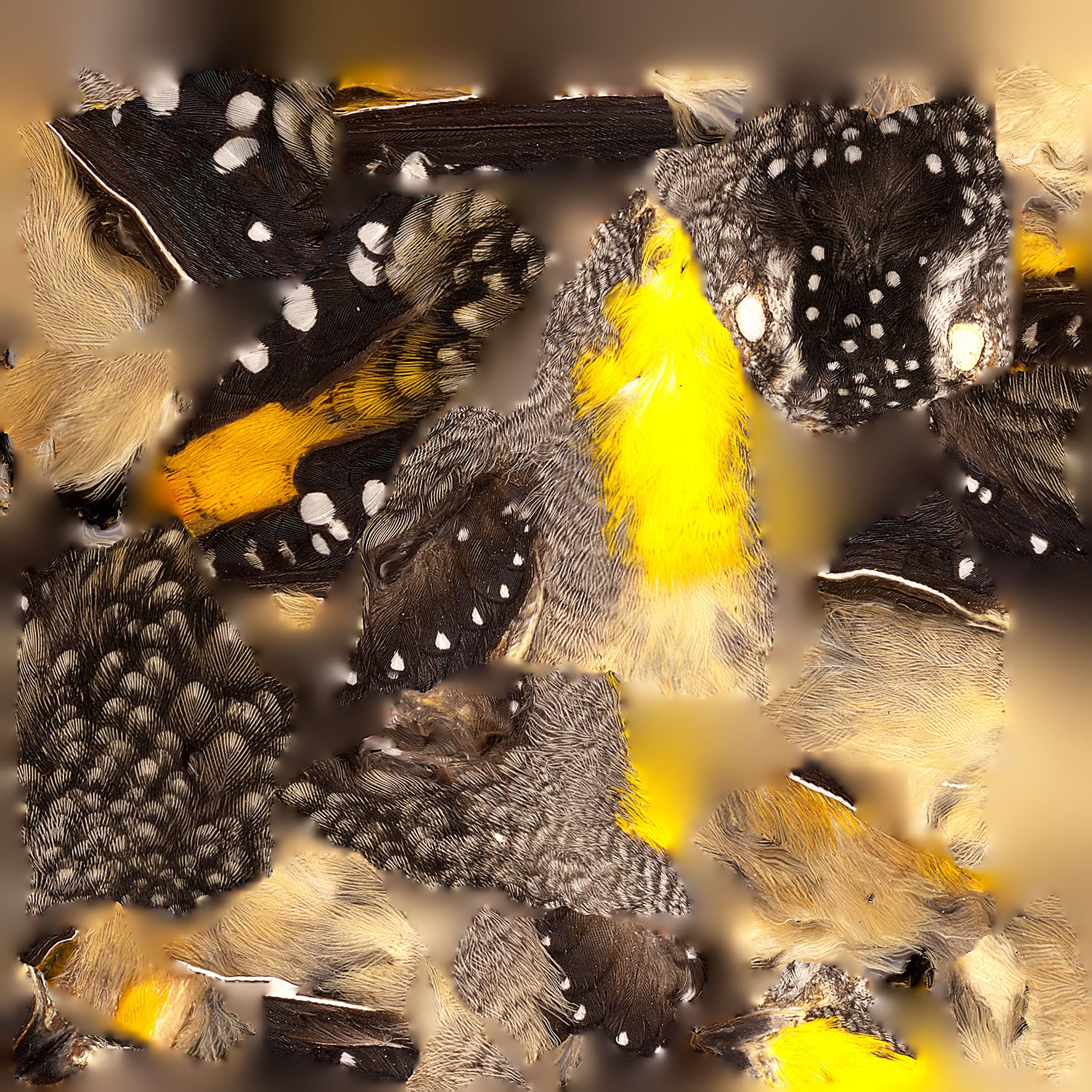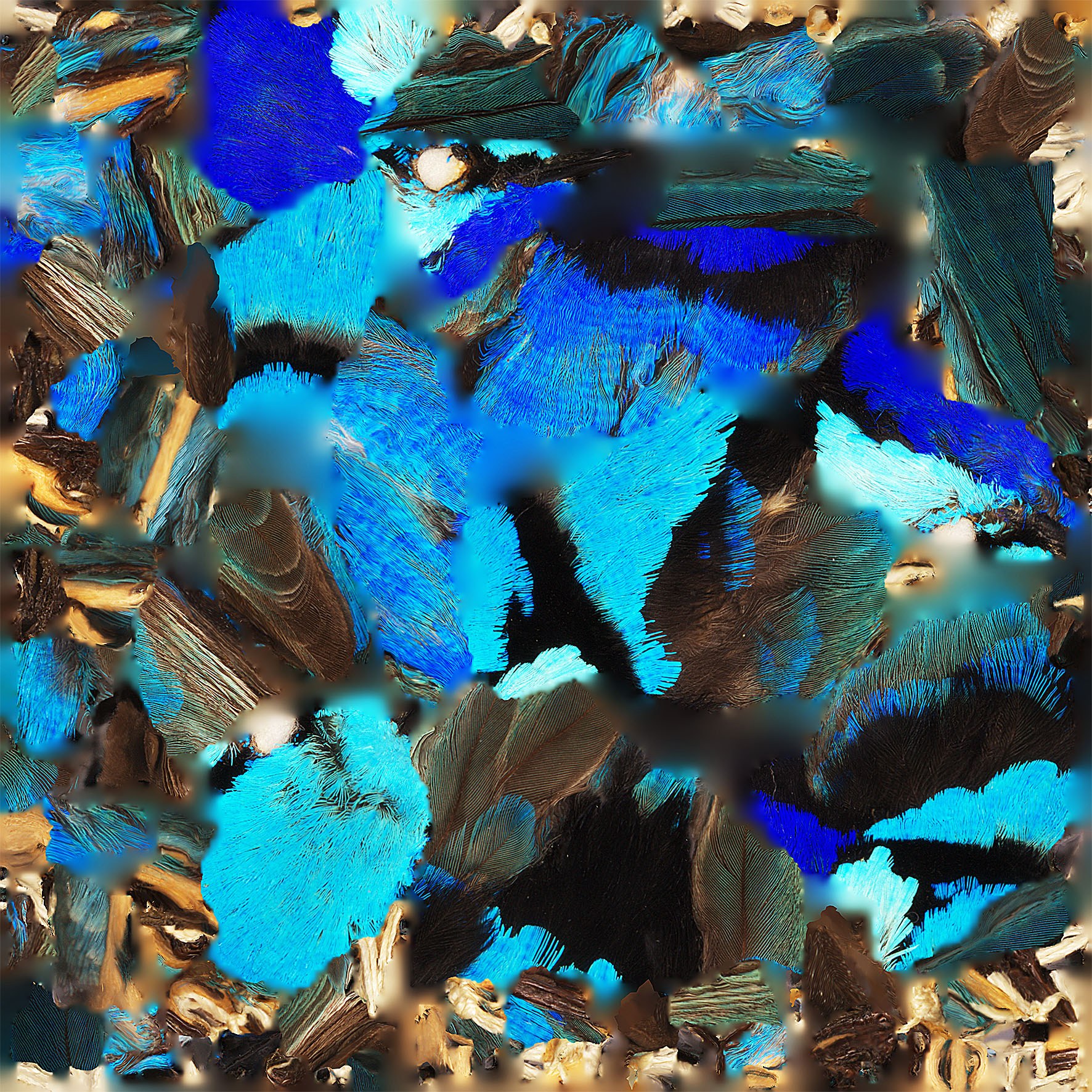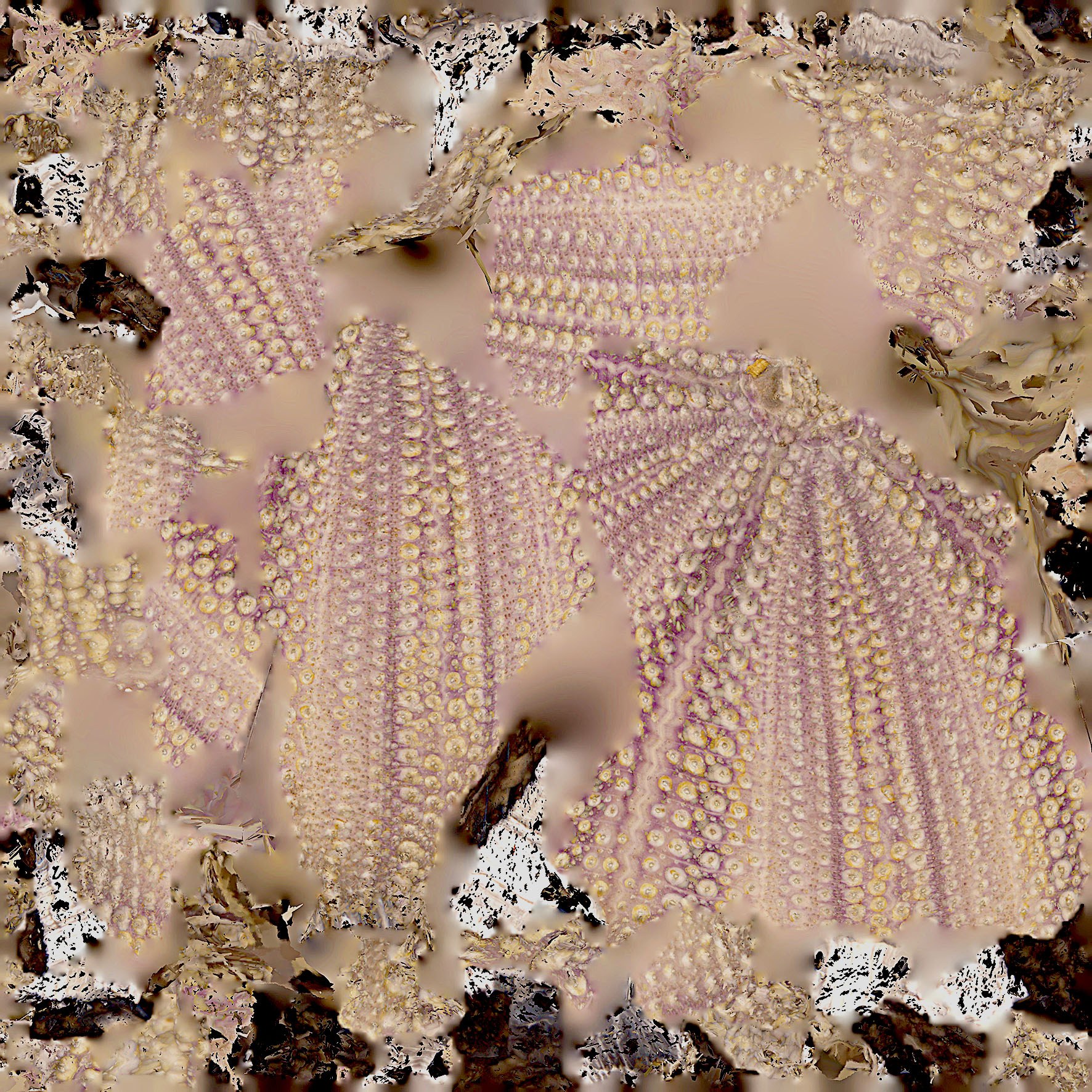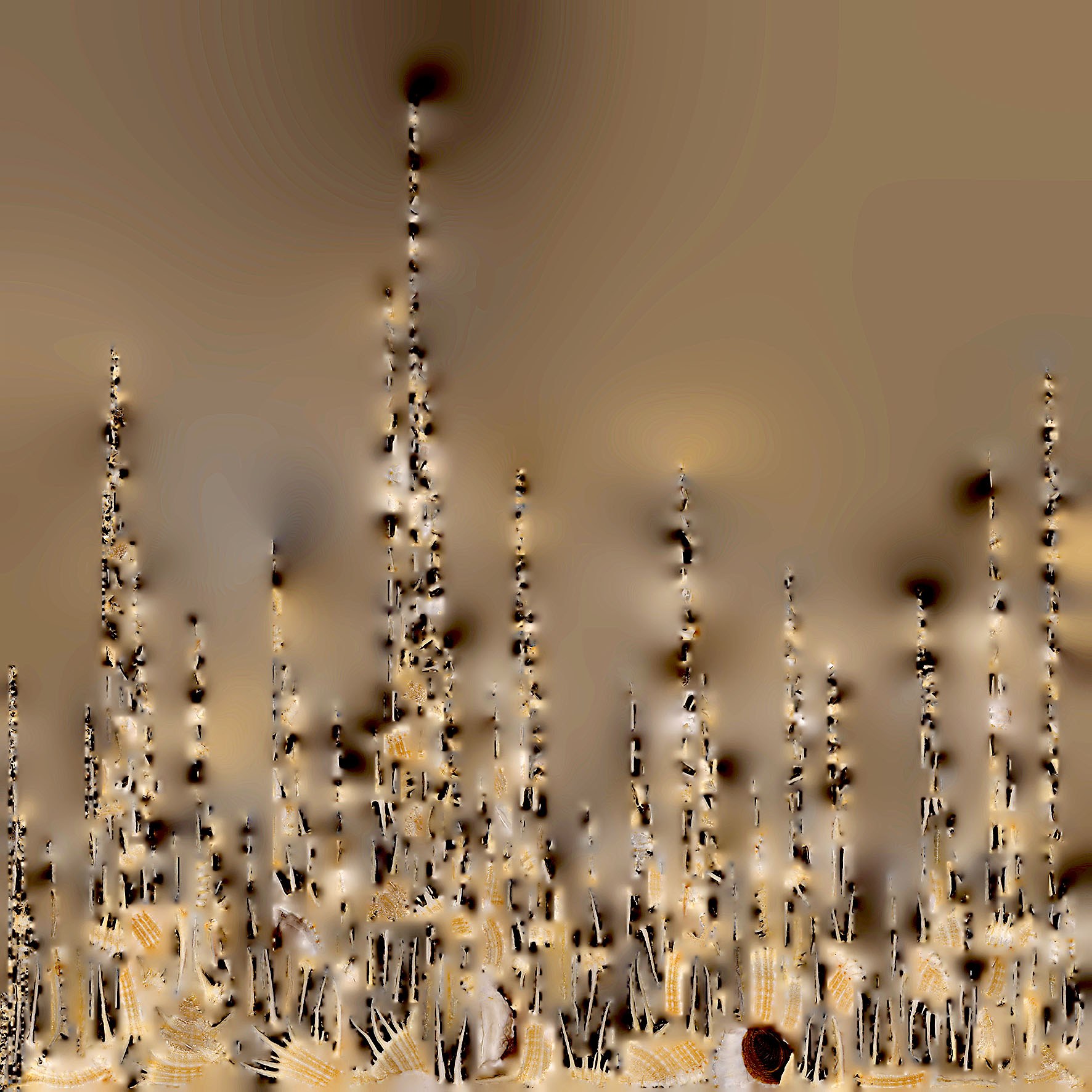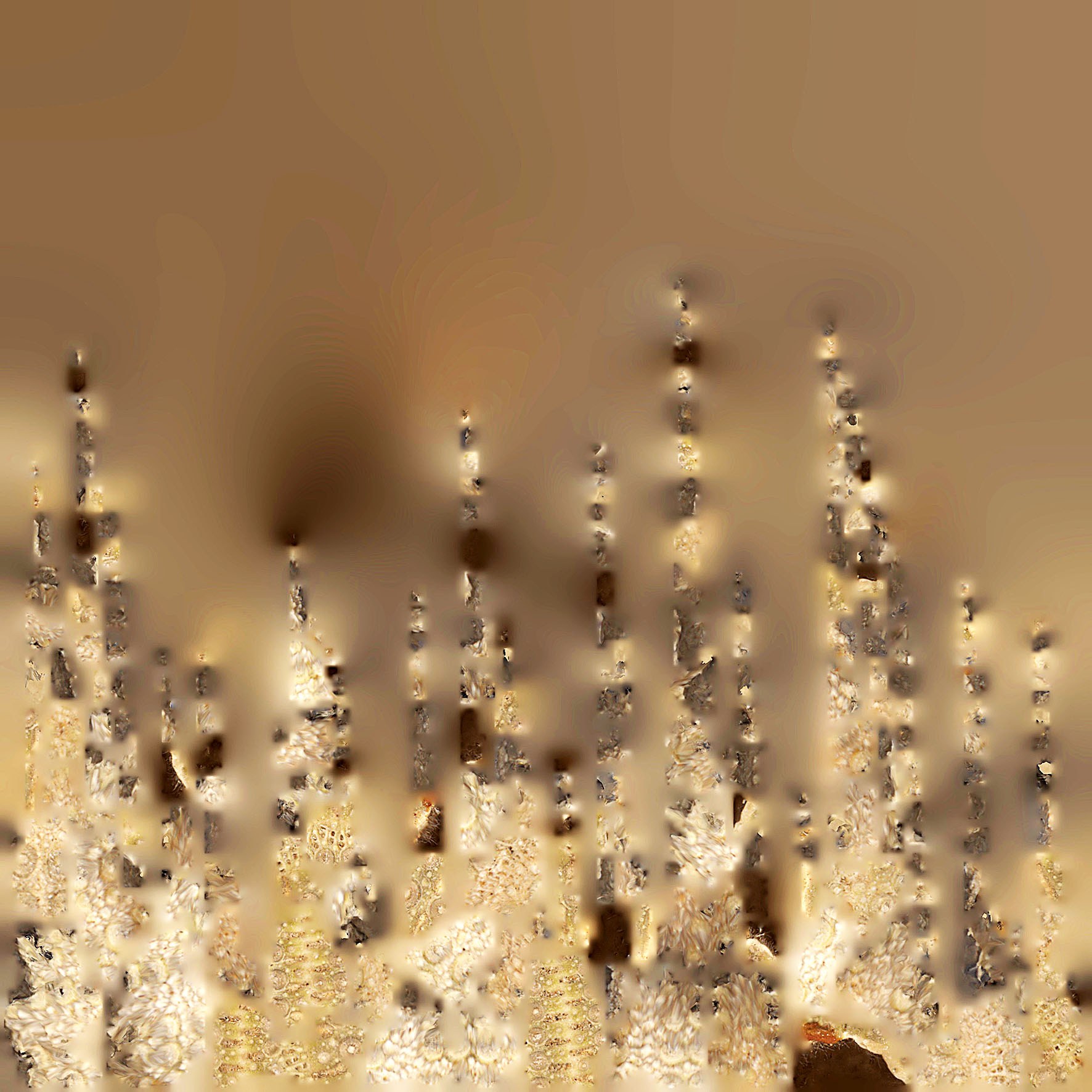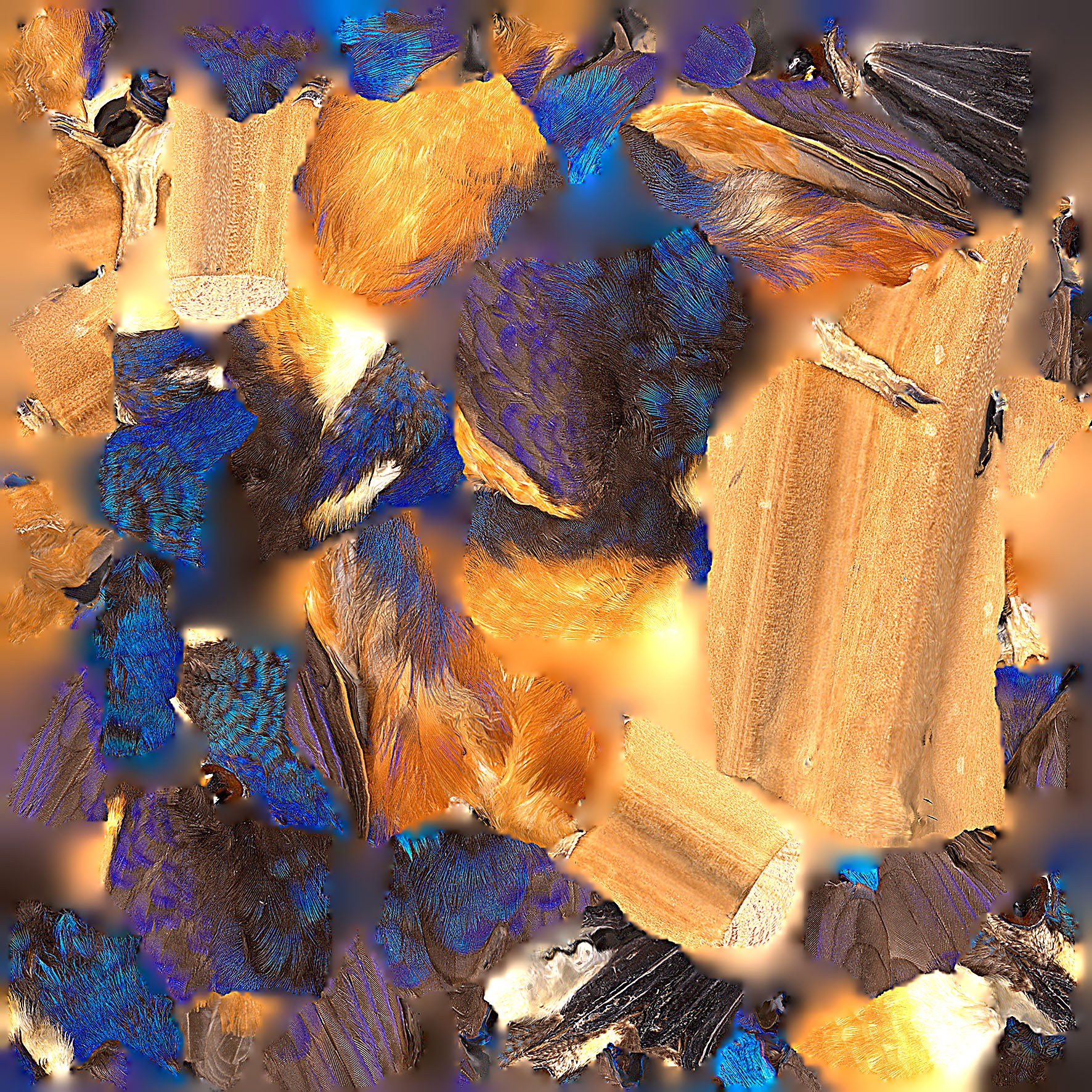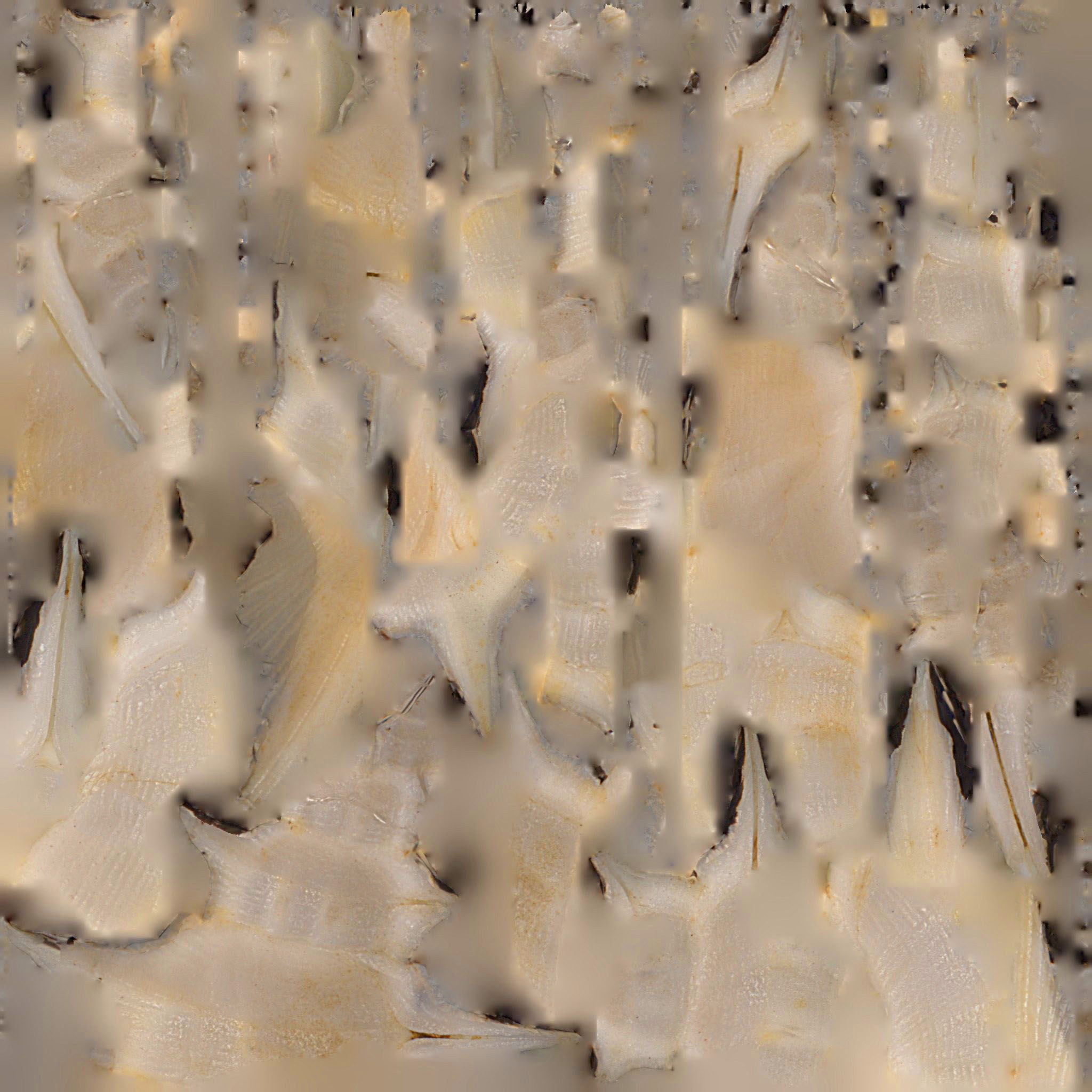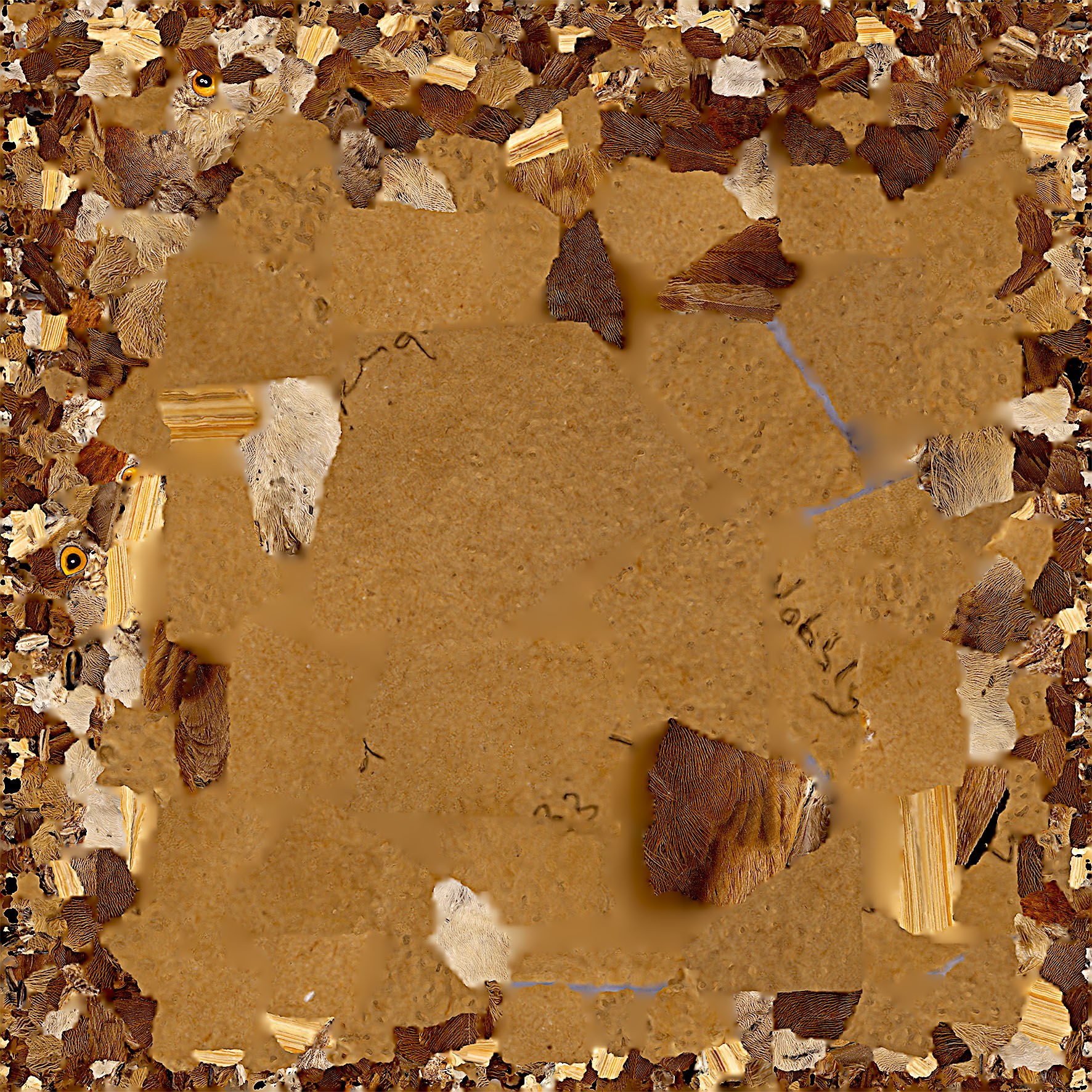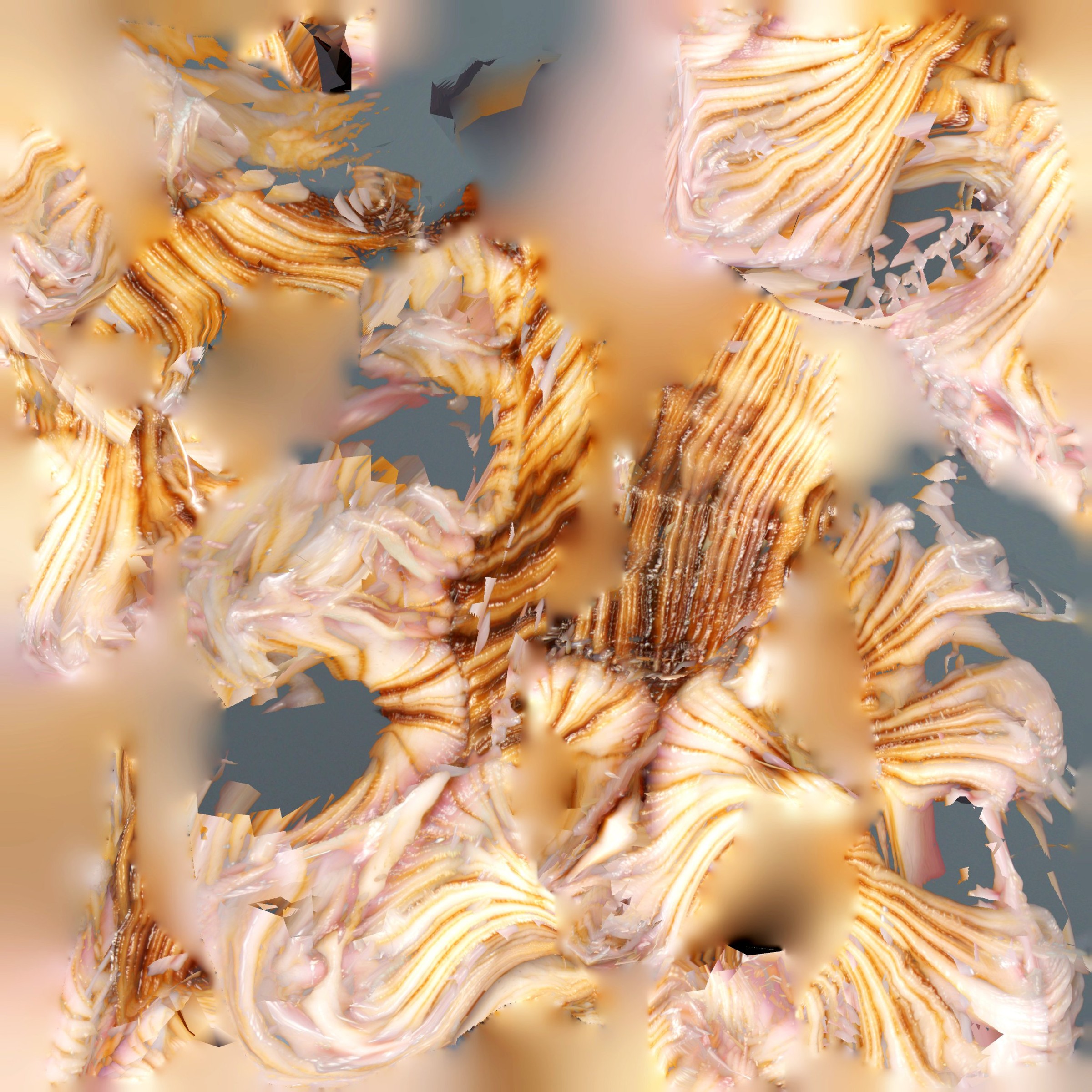
Digital Uncanny: Texture Maps starts from Jorge Luis Borges’s parable “On Exactitude in Science”, in which an empire’s cartographers draw a map the size of the empire itself. Later generations find it useless, and its tattered ruins are left in the western deserts. Jean Baudrillard turned the parable around, arguing that the map now comes first and that it is the territory which survives only in fragments.
The series applies that reversal to the natural history collection, a system of classification built to make nature knowable. In many cases the collection now holds the only material evidence of what has been lost. As the natural world recedes, the digital copy remains. It is an index of what the archive was always preparing us to lose.
The images are texture maps, the surfaces that photogrammetry software generates to wrap around a 3D model. The more immersive the image becomes, the easier it is to forget it is still a map.